
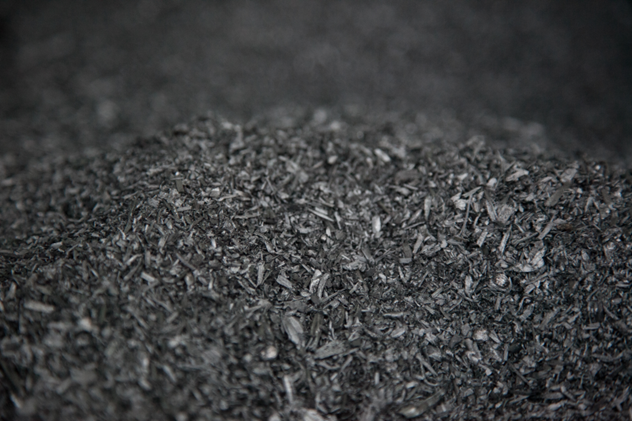
Introduction to Biochar
Biochar is a stable, carbon-rich form of charcoal that is produced through the process of pyrolysis—a method of decomposing organic material at high temperatures in the absence of oxygen. This substance has garnered significant attention due to its potential to enhance soil fertility and sequester carbon, thus playing a pivotal role in strategies aimed at achieving net zero emissions.
How Biochar is Produced
The production involves heating biomass, such as wood, agricultural residues, or animal manure, at temperatures typically between 300 and 700 degrees Celsius. This process occurs in a controlled environment where oxygen levels are kept to a minimum to prevent the material from combusting fully. The result is a porous, lightweight charcoal that retains much of the original biomass’s carbon structure.
Carbon Capture in Biochar
Biochar is primarily valued for its ability to capture and store carbon. During the growth phase of plants, carbon dioxide is absorbed from the atmosphere through photosynthesis and converted into organic carbon. When these plants are used as biomass in making biochar, a significant portion of this carbon is locked into a stable form that does not easily degenerate or release carbon dioxide back into the atmosphere. Thus, it effectively converts the active carbon cycle into a more stable, long-term storage solution, mitigating the impact of greenhouse gases.
Biochar’s Contribution to Net Zero
Biochar’s ability to sequester carbon for centuries—potentially even millennia—makes it an attractive option for carbon reduction strategies aimed at achieving net zero emissions. By converting agricultural waste and other organic materials into biochar, we can remove carbon dioxide from the cycle and store it in soils. Furthermore, it improves soil fertility and structure, increases water retention, and can reduce the need for chemical fertilizers, leading to reduced greenhouse gas emissions from agricultural practices.
Storage and Use
Once produced, biochar can be applied to agricultural land as a soil amendment. Its porous nature helps improve soil health by increasing nutrient and water retention, supporting the soil microbiome, and ultimately enhancing crop yield. Additionally, biochar can be used in other environmental applications, such as water filtration and waste treatment processes.
Challenges and Considerations with Biochar
Despite its benefits, biochar comes with its share of challenges and criticisms. Here are some of the major points of consideration:
- Feedstock Availability: The availability of suitable biomass feedstocks can limit biochar production. Over-reliance on specific types of biomass might lead to competition with food production or natural ecosystems.
- Economic Viability: The economic feasibility of biochar is influenced by the costs associated with production technology and the availability of biomass. Without financial incentives or carbon pricing, large-scale adoption may be economically challenging.
- Environmental Impact: If not managed properly, biochar production can lead to environmental degradation. For example, harvesting biomass unsustainably can lead to deforestation, biodiversity loss, and other ecological disturbances.
- Social Implications: The production of biochar must consider local and indigenous communities, especially in areas where land use rights and access to resources might be impacted.
- Technological Limitations: The efficiency and effectiveness of biochar as a carbon sequestration tool depend heavily on the technology used in its production and the methods of its application in soil.
Conclusion
Biochar offers a promising pathway towards mitigating climate change through carbon sequestration and improving agricultural practices. However, its success requires careful consideration of production methods, source materials, and the economic and social frameworks within which it operates. By addressing these challenges, it can contribute significantly to the global quest for net zero emissions, marking its place as a key player in sustainable agriculture and environmental conservation.
While You Are Here…
Why not use one or all of Bryce Energy Services free online calculators.
Carbon Footprint — Solar Panels — Electric Chargers — ISO 50001 Gap Analysis

Blog News Carbon Footprint
The Carbon Cost of Building the Future: Why Capital Projects Need Their Own Carbon Accounts
Across the UK, enormous amounts of capital are being invested in new infrastructure. Electricity networks [...]
Oct

Blog News Carbon Footprint
Carbon Accounting Without Adding Another Job to the Business
For many businesses, the biggest barrier to carbon reporting is not necessarily the calculation itself. [...]
Sep

Blog News Carbon Footprint
Your Carbon Footprint Is Only as Good as the Data Your Suppliers Give You
For many businesses, calculating Scope 1 and Scope 2 emissions is relatively straightforward. You can [...]
Sep

Blog News Carbon Footprint
Stop Measuring Carbon in Isolation: Use the Metrics That Already Run Your Business
Most businesses understand the basic idea of carbon reporting: Measure emissions this year. Measure them [...]
Aug

Blog News Carbon Footprint
Net Zero to 2050: Perhaps the Carbon Plan Should Become the Business Plan
For many businesses, 2050 feels a very long way away. Most organisations rarely plan in [...]
Aug

Blog News Carbon Footprint
Climate Change Has Not Gone Away Because a Council Votes to Stop Calling It an Emergency
There can hardly be a worse time for councils to start reversing climate emergency declarations. [...]
Aug

Blog News Carbon Footprint
Your Profit and Loss Account Is Not a Carbon Footprint
Carbon accounting is becoming increasingly important to businesses of every size. Customers are requesting emissions [...]
Aug

Blog News Sustainability
A Billion Plastic Pellets on Our Doorstep — Where Is the Urgency?
A significant environmental incident is unfolding on the beaches of North East England, yet beyond [...]
Jul

Blog News Carbon Footprint
Net Zero Airports? We Need to Talk About Facilitated Emissions
Airports are increasingly publishing impressive carbon-reduction claims. “Airport emissions reduced by 50%.” “Carbon-neutral operations.” “Net [...]
Jul
Measure - Manage - Reduce - Offset - Report
Bryce Energy Services combines practical energy and carbon consultancy with the CO₂ Impact online platform, helping businesses measure their emissions, meet reporting requirements and turn carbon data into achievable reduction projects.
With CO₂ Impact, your business can:
Unlike a standalone carbon calculator, we can help you interpret the results, investigate energy-saving opportunities and prioritise projects based on cost, carbon savings and practical deliverability.
CO₂ Impact subscriptions start from £29 per month.